
 Jane
Jane

Flabby arms are a concern for many adults, and they can show up at almost any age. Changes in muscle tone, overall body fat, and lifestyle habits all play a role. Flabby arms exercises for people in their 30s focus on ways to strengthen the muscles of the upper arms, including the triceps and biceps, while also supporting overall fat loss and posture. Combining consistent strength training with good daily habits helps people look and feel more confident in sleeveless clothing. Experts now emphasize exercises that build muscle and boost metabolism alongside nutrition and cardio for the best results.
This complete guide covers effective flabby arms exercises, daily routines to improve arm tone, common mistakes to avoid, and how to make lasting change without expensive equipment or harsh diets. By learning what works and why, anyone can build a plan that fits a busy schedule yet still improves muscle definition over time.
Why Arms Get Flabby and What It Really Means
Understanding what causes soft or sagging arms helps make sense of how to address them. Flabby arms often happen when:
- Muscle size and strength decline
- Body fat increases
- Posture encourages rounded shoulders
- Natural aging lowers skin elasticity
The muscles of the upper arm include the biceps at the front and the triceps at the back. The triceps make up a large portion of the upper arm, so strengthening them can make the biggest visual impact on arm shape. Building both the triceps and biceps improves balance and proportions, while overall fat loss can help reveal muscle tone that is already there.
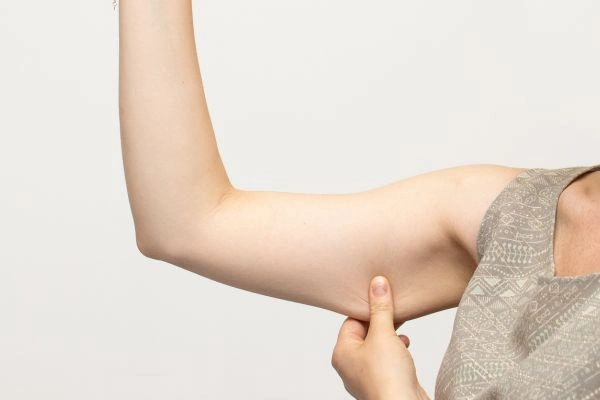
Experts also note that you cannot force your body to lose fat only from one area by exercising that spot. Fat loss occurs evenly across the body rather than in just one targeted area. But exercises for flabby arms build the muscles that tighten and shape the arms, while overall fat loss gradually reduces excess soft tissue.
Best Exercises For Flabby Arms: What Works
There is no single move that melts fat away from the upper arms. The best results come from a variety of moves that work both the triceps and biceps, along with general upper-body strength and posture support. The exercises below are among the most recommended for those looking to improve arm shape and definition.
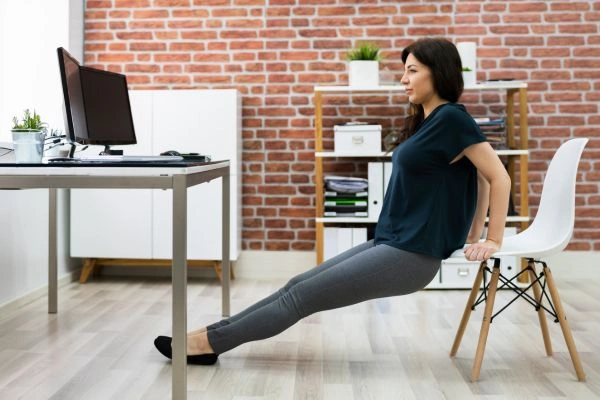
1. Triceps Dips: Direct Triceps Strengthener
Triceps dips target the muscles on the back of the upper arm, a common area for flabbiness.
How to Do It:
- Sit on a sturdy chair or bench with your hands next to your hips.
- Step your feet forward and raise your hips off the seat.
- Bend your elbows to lower your body until they form a 90-degree angle.
- Press back up.
Aim for 2–3 sets of 10–15 reps. These dips are one of the most effective simple exercises for flabby arms and work well at home.
2. Push-Ups and Variations
Push-ups engage both arm and chest muscles and can be done with or without equipment.
Standard Push-Up:
- Begin in a plank position with your hands positioned directly under your shoulders, keeping your body aligned in a straight line from head to heels.
- Lower your chest toward the floor, keeping elbows close to the body.
- Press back up.
Modified Push-Up:
If regular push-ups are too hard at first, do them on your knees or with hands on a raised surface. Push-ups are a time-tested way to build muscle in the arms and upper body.
3. Bicep Curls to Build Arm Shape
Bicep curls focus on the front of the arms to balance triceps work. Grab dumbbells, resistance bands, or even bottles of water to use as weights.
How to Perform:
- Stand tall with feet for stability.
- Curl the weight toward your shoulder while keeping elbows next to your body.
- Lower with control.
Repeating this move with proper form helps increase muscle size and tone. Strong biceps contribute to a leaner arm appearance and work well with triceps moves to tighten overall arm shape.
4. Arm Circles for Warm-Up and Endurance
Arm circles are simple yet effective for arm endurance and shoulder mobility.
How to Do It:
- Raise your arms straight out to the sides so they are level with your shoulders.
- Circle arms forward slowly for about 30 seconds.
- Reverse the motion.
This move warms up the muscles and improves blood flow before heavier resistance training or can be part of a light arm routine itself.
5. Plank Variations for Arms and Core
Planks might be known for core work, but they also engage shoulders and arms. A strong core supports overall posture, making arms look firmer.
Standard Plank:
- From a push-up position, hold your body in a straight line from head to heels.
- Keep shoulders over wrists and engage the core.
Plank variations, such as side planks or reaching one arm forward, challenge stability and help build functional strength.
How to Get Rid of Flabby Arms: A Realistic Approach
There is no instant fix to tone arms overnight, but consistent habits bring visible change. Trainers often recommend routines that combine strength training with cardiovascular workouts and nutrition that supports fat loss.
Strength Training Routine Tips
Aim to include upper-body strength work 2–3 times a week. A balanced session may include triceps dips, push-ups, bicep curls, and overhead shoulder work, helping to tone flabby arms from all angles. Increasing resistance over time, whether with weights or harder bodyweight variations, helps stimulate muscle gains.
Cardio for Fat Loss
Exercises that elevate heart rate, such as brisk walking, cycling, or swimming, help burn calories and reduce body fat. Reducing overall fat can make arm muscles more visible and improve shape. Cardio does not need to be intense; regular movement is what matters most.
Nutrition That Supports Change
Muscle growth and fat loss are both influenced by nutrition. Eating balanced meals with lean proteins, vegetables, healthy fats, and whole grains supports muscle repair and overall energy levels. Hydration and good sleep also play big roles in how the body adapts to exercise. Thoughtful eating and recovery help maximize the benefits of any flabby arms exercise routine.
Daily Habits That Help Tone Flabby Arms
Beyond scheduled workouts, everyday habits matter for shaping arms and posture.
Maintain Good Posture
Slouching shoulders and a rounded back weaken the muscles that support upper arm shape. Standing tall with shoulders back engages the upper body more often, helping those muscles stay active.
Keep Moving Throughout the Day
Avoid long periods of sitting. Simply walking, reaching overhead, or doing light arm movements during the day adds up to more calorie burn and muscle activation.
Short Quick Routines
Even brief sessions of arm work, such as 5–10 minutes of triceps dips or push-ups, can contribute to consistency and strength gains if done regularly. The key is sticking with routines over time.
Stretch and Release
Daily stretching improves flexibility, reduces tension in the shoulders and arms, and supports a better range of motion for strength exercises. Incorporate simple stretches such as triceps stretches, cross-body arm pulls, and shoulder rolls before or after your workouts.
Common Mistakes to Avoid
Understanding what not to do can speed progress and prevent injury.
- Doing only one exercise without variety limits muscle development.
- Ignoring rest and recovery can lead to overuse and slow progress.
- Focusing only on arms without full-body work may reduce effectiveness because fat loss happens overall, not just in the arms.
Combining a mix of strength, cardio, and proper rest ensures a more balanced and sustainable approach to getting rid of flabby arms.
Targeting Flabby Arms With Minimal Equipment
Flabby arms exercises do not require a gym membership or fancy machines. Household items and bodyweight moves are highly effective:
- Water bottles or cans can substitute for dumbbells.
- A sturdy chair or coffee table works for dips.
- Resistance bands provide adjustable tension and can add variety.
Using minimal equipment makes it easier to maintain consistency and integrate short sessions throughout the day.
How Consistency Makes a Difference
Results in the arms come from gradual, steady improvement. Short, regular sessions performed several times a week lead to stronger muscles and better tone. Logging progress with photos or measurements helps visualize gains and maintain motivation.
Experts recommend combining at least three elements: strength exercises, movement throughout the day, and healthy eating habits.
Realistic Expectations and Timeline
Visible toning does not happen overnight. Some people notice firmer arms within a few weeks of consistent training, but most experience more noticeable changes after several months of regular workouts and healthy habits.
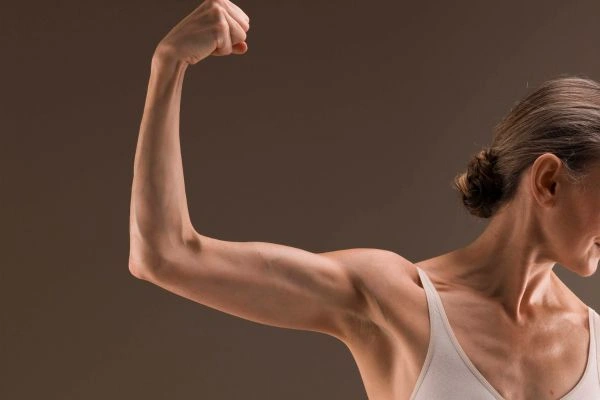
Patience and steady progress matter more than quick fixes. Consistency is key, and incremental gains are more sustainable than extreme routines.
Additional Tips for People in Their 30s
- Focus on Recovery: Muscle repair is essential to progress. Allow at least one rest day between intense upper-body sessions.
- Combine Upper and Lower Body Workouts: Balanced training boosts overall calorie burn and promotes better body composition.
- Prioritize Hydration and Sleep: Adequate water intake and quality sleep help muscles recover and reduce bloating.
- Track Movements: Using a journal or app helps keep track of repetitions, sets, and improvements over time.
Flabby Arms Exercises That Transform Tone and Strength
The journey to firmer, more defined arms involves more than just one set of movements. A well-rounded plan includes flabby arms exercises, a balanced diet, cardiovascular activities, and daily habits that support muscle tone and posture. With effort and consistency, people in their 30s and beyond can improve the tone and strength of their upper arms.
These exercises and habits not only improve arm shape but also contribute to overall fitness and well-being. The key is to embrace routines that fit lifestyle, build muscle, and help create long-term improvements rather than chasing quick results.
Whether at home, at a gym, or in a park, tools and exercises are accessible to anyone willing to move and stick with a simple plan. Strong arms are just one component of overall strength and health, and with the right approach, flabby arms do not have to limit confidence or comfort in everyday life.
