 Jane
Jane

Getting active outdoors brings a fresh breeze to any fitness routine. Sunlight, fresh air, varied terrain, and social settings all make exercise more enjoyable and sustainable. In 2025, outdoor fitness continues to grow as people seek affordable, flexible workouts that fit busy lives. This guide lists the top 15 outdoor fitness activities and the best gear to support them, with practical tips, product suggestions, and ways to make outdoor workouts safe and effective.
Top 15 Outdoor Fitness Activities And Gear
1. Running And Trail Running
Running remains the most accessible form of outdoor fitness. Trail running adds uneven terrain and technical challenges that build balance, strength, and agility while reducing repetitive impact. Good running shoes are essential. For road running, look for daily trainers with balanced cushioning, such as the New Balance Fresh Foam series. For trail running, choose shoes with grippy outsoles and protective toe caps from brands like Salomon or Hoka. Recent reviews highlight innovations in cushioning and energy return that help beginners and experienced runners enjoy longer, more comfortable runs.
2. Power Walking And Nordic Walking
Walking at a brisk pace improves cardiovascular fitness and is kinder on joints than higher-impact activities. Nordic walking uses poles to engage the upper body and boost calorie burn. Comfortable, supportive walking shoes are the single best investment for walkers. Lightweight pole sets that fold for travel make Nordic walking accessible for outdoor trips and hikes.
3. Hiking
Hiking combines cardio with strength and balance work. Trail choices range from easy loop walks to multi-hour ascents. Proper footwear, layered clothing, a reliable daypack, and hydration options are essentials. When planning hikes, check local trail conditions and pack a small first aid kit. Trekking poles are helpful for steep sections and can reduce knee strain. Trail maps, offline navigation apps, and a simple compass also improve safety.

4. Cycling And Gravel Riding
Cycling is low-impact and excellent for building leg strength and aerobic capacity. Road cyclists benefit from efficient, lightweight bikes and snug, breathable clothing. Gravel riding has surged in popularity because it blends pavement speed with off-road adventure. For beginners, entry-level gravel bikes and hybrid models offer comfort and versatility. Helmets with MIPS technology and lights for visibility are must-haves. In 2025, connected cycling apps and route planners make group rides and solo training easier to manage.
5. Outdoor Strength Training Circuits
Parks and community spaces increasingly host outdoor fitness stations and calisthenics parks. These areas make bodyweight strength training accessible to everyone. Exercises such as pull-ups, dips, step-ups, and box jumps are straightforward to program into circuits. For at-home, portable tools like resistance bands or a compact suspension trainer allow similar workouts in a backyard or local green space. Community fitness stations often follow public design standards to withstand weather and heavy use.
6. HIIT In The Park
High-intensity interval training outdoors combines short bursts of maximum effort with brief recovery periods. The format is time-efficient and produces cardiovascular and metabolic benefits in a relatively short session. Typical park HIIT workouts include sprint repeats, burpees, jumping lunges, and push-ups. Pair a reliable heart rate monitor or fitness tracker with timed intervals to keep sessions measurable and safe.
7. Kayaking And Paddle Sports
Water-based activities such as kayaking, stand-up paddle boarding, and canoeing build upper-body strength, core stability, and endurance. Beginners should wear a personal flotation device and follow local safety guidance. Inflatable paddle boards and lightweight touring kayaks make storage and transport easier. Paddle sports also offer low-impact workouts for those managing joint issues.
8. Outdoor Yoga And Mobility Sessions
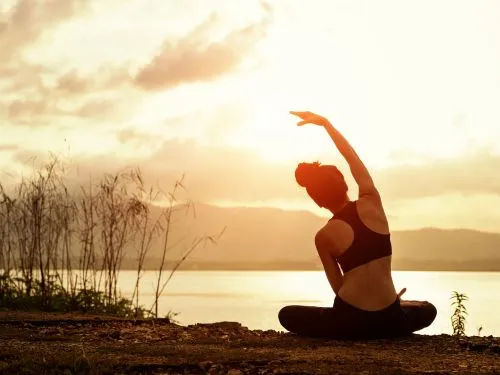
Outdoor yoga strengthens flexibility and breath control while exposing the body to natural light and calming landscapes. Yoga mats designed for outdoor use and knowledge of sun exposure times help make sessions comfortable. Focus on mobility, breathing, and balance to complement higher intensity outdoor workouts. Even short mobility flows reduce stiffness and enhance recovery after runs or rides.
9. Beach Sports And Sand Training
Training on sand increases resistance and forces muscles to stabilize on shifting ground. Beach running, beach volleyball, and sand plyometric drills provide excellent conditioning and improved foot strength. Athletes should build up volume gradually and choose protective footwear if required. Sun protection is essential for extended beach sessions.
10. Rowing And Outdoor Machines
Outdoor rowing and fitness machines installed in parks are becoming more common. These devices deliver whole-body workouts and are usually low maintenance. When machines are unavailable, outdoor rowing on water offers intense cardio and strength benefits. Rowing technique classes and proper boat fitting help improve performance and reduce injury risk.
11. Group Fitness Classes And Bootcamps
Group outdoor classes add structure and social accountability to workouts. Bootcamps often mix conditioning, strength, and mobility into a single session. Look for certified instructors and classes that scale exercises to different fitness levels. Group formats make it easier to try new modalities safely and with guidance.
12. Climbing And Bouldering
Outdoor climbing builds strength, body awareness, and problem-solving skills. Bouldering requires minimal gear beyond proper shoes and a crash pad, while roped climbing needs more equipment and partner checks. Beginners should take an introductory course or climb with experienced partners, and invest in quality climbing shoes and helmets for head protection on exposed routes.
13. Trail Athletics And Obstacle Training
Obstacle course training is a fun way to build total-body strength and agility. Many parks and event organizers host obstacle races and training sessions. Equipment such as portable plyo boxes, sandbags, and medicine balls turns any open field into a functional training zone. For those aiming at events, structured programming that progresses skill and strength is recommended.
14. Parkour And Creative Movement
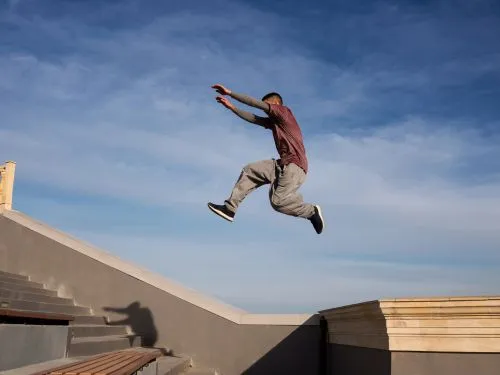
Parkour and freerunning teach how to move efficiently through urban environments. Beginners can start with balance, rolling, and safe landing mechanics under the supervision of experienced coaches. Simple equipment, such as balance beams, low ledges, and padded mats, helps develop control and confidence before attempting higher skills.
15. Outdoor Fitness Tech And Tracking
Technology is adding a new layer to outdoor fitness. GPS watches and fitness trackers measure distance, pace, elevation, and recovery. Smartphone apps offer route planning, guided workouts, and community challenges. For runners, cyclists, and hikers, up-to-date mapping and safety features, such as live location sharing, offer extra peace of mind. Recent product innovations focus on durability and battery life to match the demands of long outdoor sessions.
Essential Gear To Support Outdoor Fitness
Outdoor fitness quality depends on equipment choices. The following items are indispensable for beginners looking to get serious while staying safe and comfortable.
Footwear
Invest in activity-specific shoes. Road running shoes are suitable for pavement and light trails. Trail shoes provide traction and toe protection on uneven ground. For walkers and hikers, stable, cushioned shoes reduce fatigue. Brands like New Balance, Hoka, Salomon, and Adidas continue to deliver reliable models in 2025. Recent guides emphasize fit and comfort as the most important features for beginners picking a first pair.
Clothing And Sun Protection
Moisture-wicking layers and breathable fabrics extend comfort during long sessions. Hats, sunglasses, and SPF-rated sunscreen are non-negotiable for daytime workouts. Reflective clothing increases visibility for early morning or evening sessions.
Hydration And Nutrition
Carry hydration systems that fit the activity. Lightweight hydration packs work well for longer hikes and trail runs. Reusable water bottles with insulation protect liquids from heat and cold. Simple snacks such as energy bars, nuts, and fruit can fuel longer outdoor efforts.

Portable Strength Tools
Resistance bands, adjustable kettlebells, and sandbags bring strength training outdoors. A compact suspension trainer anchors to a tree or pole and provides hundreds of functional exercise variations. These items pack easily for outdoor circuits or weekend trips.
Safety And Navigation
A headlamp, whistle, basic first-aid kit, and multitool are smart additions for many outdoor workouts. Offline maps and a trusted navigation app help avoid route mistakes on unfamiliar terrain. When venturing into remote areas, tell someone the planned route and expected return time.
Programming Outdoor Workouts
Outdoor workouts are most effective when structured. Beginners should mix cardio, strength, mobility, and recovery for balanced fitness. A weekly plan could include three cardio sessions, two strength sessions, and daily short mobility flows. Progression matters. Start with lower duration and intensity, then gradually increase distance, load, or complexity over weeks.
Intervals, hill repeats, and mixed circuits are efficient ways to boost fitness outdoors. Track progress with a basic log, fitness watch, or app to ensure steady improvement and to avoid sudden spikes in volume that can cause injury.
Weather, Seasonality, And Accessibility
Weather conditions influence outdoor options. Heat, cold, rain, and wind require adjustments in clothing and pace. Plan workouts around temperature extremes, hydrate more in heat, and layer in cold weather. Public parks, trails, and waterfronts provide free access to outdoor fitness for most people, although some specialized options, such as climbing crags or surf spots, may require travel.
Accessibility considerations matter. Seek routes and parks with safe, even surfaces and amenities such as restrooms and lighting, when possible. Many communities now offer outdoor fitness equipment and marked trails to improve local access.

Motivation And Community
Outdoor fitness often sustains itself through community. Join a local running group, cycling club, or class to meet people and maintain accountability. Seasonal events, charity rides, and community races provide milestones to train toward. Social media groups and local apps also help find partners and organize meetups.
Final Tips For Beginners
Start with what is enjoyable and safe. Consistency builds fitness far more effectively than sporadic intensity. Focus on proper rest and recovery, listen to the body, and seek professional advice for persistent pain or injury. Balance ambition with patience and celebrate small improvements in endurance, strength, and mobility.
Choosing the right equipment and activities that align with individual interests makes the outdoors a powerful classroom for fitness. Whether running a neighborhood loop, joining a bootcamp, or learning to paddle, outdoor workouts provide variety, challenge, and joy.