 Jane
Jane

More people than ever face the realities of a lifestyle that involves long hours of sitting. Remote work, extended commutes, digital entertainment, and desk‑based careers may feel productive on the surface, but silently chip away at health over time. Studies now show that sitting for prolonged periods is linked with increased risk of heart disease, stroke, insulin resistance, and even lower life expectancy, regardless of how much scheduled exercise a person does later in the day. Breaking up hours of stillness with regular movement and intentional exercise is now understood as a central strategy for boosting heart health, metabolic function, mood, and overall resilience in daily life.
This guide highlights ten essential exercises for a sedentary lifestyle that anyone can implement to stay fit and active daily. Each movement is chosen for accessibility, minimal equipment needs, and real health impact. Along the way, simple tools, planning strategies, and movement habits are woven in to help you go beyond occasional activity and create lasting lifestyle change.
10 Must-Have Exercises For a Sedentary Lifestyle
1. Brisk Walking
Walking remains the most universally accessible and scientifically supported form of exercise. Consistent walking improves cardiovascular conditioning, reduces chronic disease risks, supports weight management, and even enhances mental well‑being. Increasing your step count throughout the day is key, as research shows that more steps correlate with a lower risk of conditions like heart disease, type 2 diabetes, and some cancers.
Why It Works
Walking is low-impact and easy to sustain over long periods. A brisk pace elevates heart rate into a moderate zone, strengthening the heart and lungs without undue strain. Importantly, regular walking interrupts sedentary patterns so that your body never stays still for too long.
Tools To Help
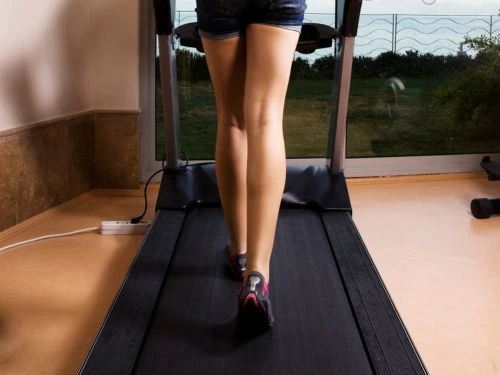
- Walking Pad Under‑Desk Treadmill: Compact and designed to slide under a desk, these treadmills let you walk during work calls or while completing computer tasks. Smart models often sync with fitness apps for step tracking, goal setting, and progress reviews.
- Comfortable Walking Shoes: Shoes with cushioning, arch support, and breathable materials (brands like New Balance, ASICS, and Hoka) make longer walks more comfortable and reduce fatigue.
Pro Tip
Set a daily step goal that fits your routine. Even breaking up sitting with 5‑minute walks every hour adds up significantly over the day.
2. Chair Squats
Chair squats are a functional strength exercise that engages major lower-body muscle groups. Because prolonged sitting weakens glutes and quads over time, chair squats are essential for building strength where the body needs it most.
How To Do Chair Squats
Stand facing the chair, keeping your feet aligned with your hips. Bend your knees and lower your hips back toward the chair without actually sitting. Lightly tap the chair with your glutes and stand back up, squeezing your glutes at the top.
Benefits
This movement improves leg strength, stabilizes your core, and can even enhance balance. Discipline with chair squats can translate to easier stair climbing, better posture, and less fatigue after long days.
Variations
- Use a resistance band on your thighs to make the exercise more challenging.
- Hold light dumbbells to gradually increase intensity.
3. Desk Push‑Ups
Working the chest, shoulders, arms, and core, desk push-ups are a fantastic way to build upper-body strength without gym equipment or changing clothes.
Performance Tips
Place your hands on a desk or a stable surface, with your feet extended back. Gently bring your chest down to the desk, then push upward to return. Aim for controlled reps with a full range of motion. Even 8–12 reps at a time, repeated a few times daily, makes a measurable difference.
Why They Matter
Upper‑body strength is often overlooked in sedentary lifestyles. Desk push‑ups not only strengthen muscles, but also counter slumping posture caused by long hours of sitting.
4. Seated Leg Raises
Seated leg raises are simple yet powerful in activating hip flexors and improving circulation in the lower body. Poor circulation from extended sitting can lead to venous pooling and stiffness.
How To Do It
While seated, extend one leg forward until it is almost straight. Keep the position briefly, then lower the leg without letting it rest on the floor. Repeat 10–15 times per leg.
Benefits
Leg raises reduce stiffness in hip joints and improve blood flow. They are especially useful for people with desk jobs or long travel days because they can be done at any time.
5. Ankle Pumps and Calf Raises
Healthy blood flow is essential when sitting dominates your day. Ankle pumps and calf raises are both simple but effective moves for circulatory health.
How To Do It
- Ankle Pumps: Sit or stand, then flex your feet toward your shins, then point them away. This pumps blood through your lower legs.
- Calf Raises: Stand and lift onto the balls of your feet, then slowly lower back down.
Why It Helps
These movements engage lower‑leg muscles that often go dormant during long sitting sessions. Regular activation helps prevent swelling and can reduce the risk of circulatory problems.
6. Seated Or Standing Spinal Twists
Prolonged sitting compresses the spine and tightens back muscles. Spinal twists target rotational mobility and release tension in the torso and lower back.
How To Do It
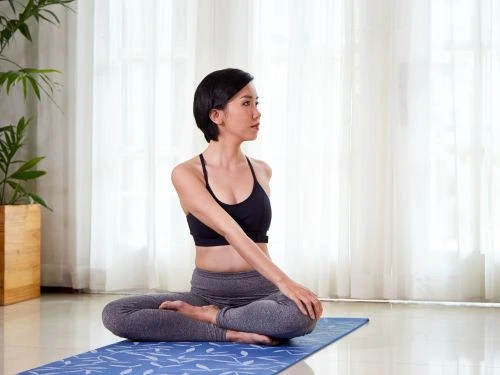
Sit tall and place one hand on the opposite knee. Gently twist your torso to look over your shoulder, then hold for 10–15 seconds and repeat on the other side. This simple stretch can interrupt stiffness and support spinal alignment.
Benefits
Improved flexibility often translates to less back pain, a wider range of motion, and greater comfort during everyday movements.
7. Glute Bridges
The Move
Lie flat on your back with knees bent and feet firmly on the surface. Lift your hips until your body forms a straight line from shoulders to knees, hold, then lower slowly. Aim for 10–15 reps.
Why They Matter
Strong glutes can help alleviate lower back discomfort associated with prolonged sitting. They also enhance performance in everyday activities such as walking, lifting, and climbing stairs.
8. Pilates Core Strength Moves
Pilates is increasingly recognized for its core strengthening and posture‑enhancing benefits. Its controlled movements engage the deep abdominal muscles, which are often neglected with sedentary habits.
Key Moves to Try
- The Hundred: A warm‑up move that elevates heartbeat while engaging the core.
- Pelvic Curls: Similar to glute bridges but with a focus on spinal articulation.
- Side Kicks: Target obliques and hips for balanced core strength.
Why It Works
Pilates focuses on posture, breath coordination, and muscular balance. These benefits transfer into everyday strength, reducing fatigue and injury risk.
9. Chair Yoga Poses
Yoga is more than flexibility. Chair yoga blends mindful breath with movement, making it perfect for people of all fitness levels, especially those who may find floor exercises intimidating.
Poses To Start With
- Cat‑Cow Seated Stretch
- Seated Forward Bend
- Seated Side Stretch
Benefits
Beyond physical mobility, yoga reduces stress and supports mental clarity, making it a powerful complement to sedentary work environments.
10. Walking Pads And Under‑Desk Pedals
Sometimes the most effective way to stay active is to redesign your environment so movement becomes natural.
Under‑Desk Tools
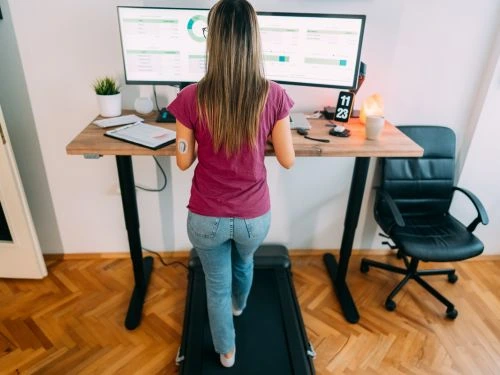
- Walking Pads: Allow slow walking throughout the day while you work or watch media.
- Pedal Trainers: Compact devices that let you cycle gently under your desk, boosting circulation and burning calories even during long online meetings.
These devices help make movement unavoidable and fit it into even the busiest schedules.
How To Make Movement Stick
Adding these exercises to your life is step one. Turning them into daily habits is what creates meaningful change. Here are science‑backed ways to build sustainable movement patterns:
Build A Movement Rhythm
Experts recommend breaking up long sitting bouts with small, frequent bursts of movement. Even five minutes every hour can alter health outcomes compared to remaining still for hours.
Use Timers And Prompts
Set reminders to stretch, walk, or do a quick set of squats. Apps and wearable trackers not only remind you to move but also track progress and celebrate milestones.
Combine Movement With Enjoyment
Whether it’s friendly step challenges with coworkers, walking meetings, or listening to a podcast while you walk, pairing exercise with something you enjoy makes consistency easier.
Environment Matters
Simple changes like a sit‑stand desk, an ergonomic chair, or even a workspace near an outdoor route can add opportunities for movement. Using staircases instead of elevators or walking accessible errands adds lifestyle activity without dedicated gym time.
Group Support
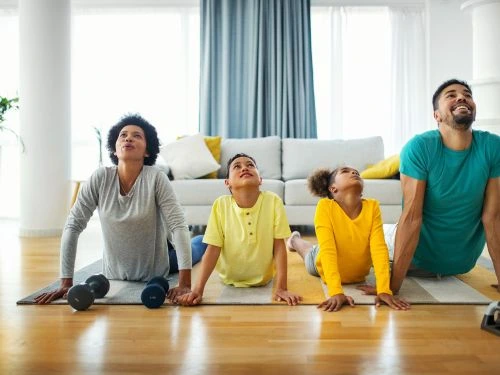
Engaging friends, family, or colleagues increases accountability and makes the activity more social and fun. Joining a class or a community fitness event also helps build routine engagement.
Nutrition And Hydration For Active Living
Movement and nutrition go hand in hand. Staying hydrated can stimulate more frequent breaks to refill bottles or take short walks. Likewise, healthy snacks like nuts, yogurt, and fruit provide nutrients that support energy levels for activity. Regular meals help stabilize blood sugar and fuel sustained movement throughout the day.
Transform Your Health With Simple Daily Movements
A sedentary lifestyle need not define long‑term health outcomes. By placing regular movement at the center of a daily routine, even small, consistent actions can yield big benefits. These ten must‑have exercises are tools that help build a more active life without drastic lifestyle upheavals.
Whether it’s a morning walk before work, short stretches between meetings, or a mindful yoga break in the afternoon, every bit of movement counts. Over time, these habits accumulate into stronger bodies, sharper minds, and more resilient health.
Start with small steps, experiment with what fits your life best, and watch as everyday movement becomes something you look forward to instead of something you squeeze in.